2025 · Single-barrel still red, Merlot and Garnatxa, neutral oak
Vin-Q Negre - Dues Terres
Two places, two farming frameworks, one barrel. Merlot gives contour; Garnatxa gives lift, generosity, and aromatic range.
Origin
Merlot from Vilobi del Penedes and Garnatxa from Verdu, Lleida
Production
about 266 bottles
Release
December 2026, after barrel maturation and final release checks
Style
Dues Terres
Certified Provenance
Vintage Passport
L-XA2025-RAMabout 266 bottles
Registered Parcel
Merlot from Vilobi del Penedes and Garnatxa from Verdu, Lleida
ES-CT-B-VILOBI-P03 / ES-CT-L-VERDU-P11 · 260m alt
41.3892° N, 1.6622° E / 41.6127° N, 1.1444° E
Bottling record & protocolsPV Precision viticulture · RV Regenerative vineyard · MR Maturation and releaseWhat this seal means
EMBOTELLAT PER RE. 5231 · B-08796 ES
Biodynamic and regenerative practices
declared · not certified
Preparations, dilution, dose and application dates are recorded under the Vin-Q Regenerative Vineyard Protocol. This describes the practice performed, not a certified status: the wine is neither Demeter-certified nor EU organic certified.
Evidence States Log
2 Measured2 Target
No value here is estimated. Each one shows what stands behind it, and a missing critical value holds its gate rather than being filled in.
Verifiable Vintage Passport · Vin-Q System
Release Window: December 2026, after barrel maturation and final release checks
Why this wine
What makes this lot unusual
A single-barrel 2025 red where Vilobi Merlot gives dark cherry, plum, mid-palate flesh, and soft tannin, while Verdu Garnatxa adds glycerol, ripe red fruit, Mediterranean herb lift, and aromatic depth.
For food-led buyers and natural-wine-literate restaurants: a bright, savory Mediterranean red built for cured meat, aged cheese, lamb, mushrooms, tomato, olive, and anchovy.
01
Why Merlot and Garnatxa work together
The blend extends the aromatic profile from Merlot plum and dark cherry into Garnatxa strawberry, Mediterranean herbs, and glycerol. That breadth makes the wine more flexible with food than either component alone.
02
What kind of buyer fits
Restaurants, sommeliers, and collectors who value natural-wine energy but still expect measured cellar control, traceability, and a clear food use case.
03
How to describe it
A savory table red: bright, saline, medium-bodied, structured by Merlot, and made more aromatic by Garnatxa.
In the glass
Sensory Profile
One neutral 225 L barrel, 9 months ageing, no fining, light filtration, and no SO2 adjustment at bottling.
Biophysical Polytope
Sensory Architecture
5 Measurable Dimensions
Click any dimension to see how its position was arrived at.
Aromatic Families
dark cherryplumsoft red fruitrosemarythymedried tobacco leaf
Palate Architecture
bright savory freshnessmedium bodyGarnatxa glycerol without heavinesssoft polymerized tannins
Finish: Long, savory, and saline, with faint tannin grip and no intended oak flavor.
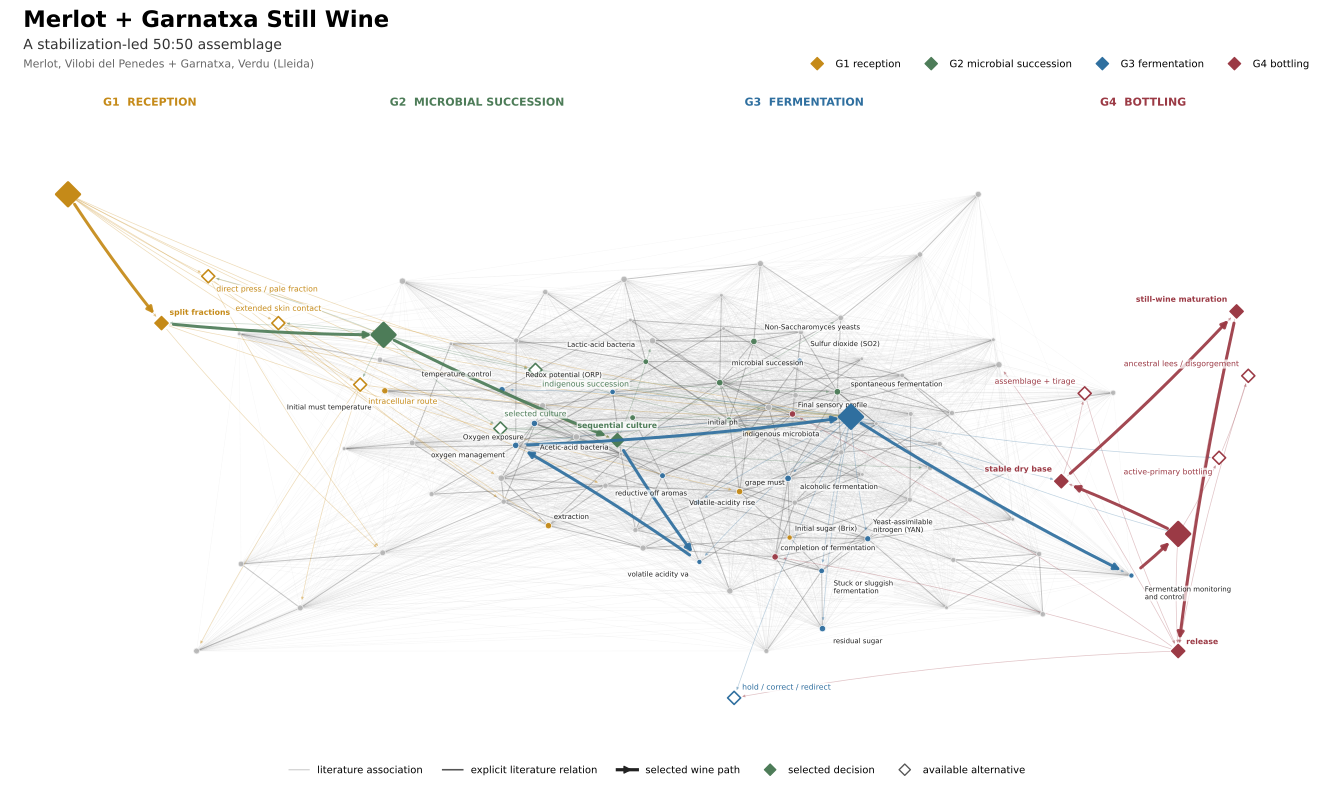
The highlighted road joins two measured components through pH and volatile-acidity gates, then follows controlled oxygen exposure, full-barrel maturation and final stability checks before release. Open full size
Constructor path
Selected route for this wine
Can Vilobi Merlot and Verdu Garnatxa be unified into a credible gastronomic red when the blend is built around aromatic complementarity, pH control, neutral oak, full barrel fill, and weekly topping?
01Cool Merlot and Garnatxa below 8 deg C.
02Adjust both components to pH 3.25 before blending.
03Blend 100 L Merlot with 100 L Garnatxa and add 40 ppm SO2.
04Transfer to a 225 L neutral oak barrel and keep the barrel full.
05Top weekly for 9 months, monitoring VA, mousiness, reduction, and oxidation.
Service
How to serve the wine
Serve at 15-17 deg C with cured meats, aged cheese, lamb, mushrooms, tomato-based stews, olive, anchovy, or cured-fat dishes.
cured meatsaged cheeselambmushroomstomato-based stewsolive and anchovy dishes