Vin-Q
Vin-Q Ancestral 2025
2025 · Ancestral Pet-Nat rose, 100% Trepat, indigenous yeast fermentation

Vin-Q Ancestral

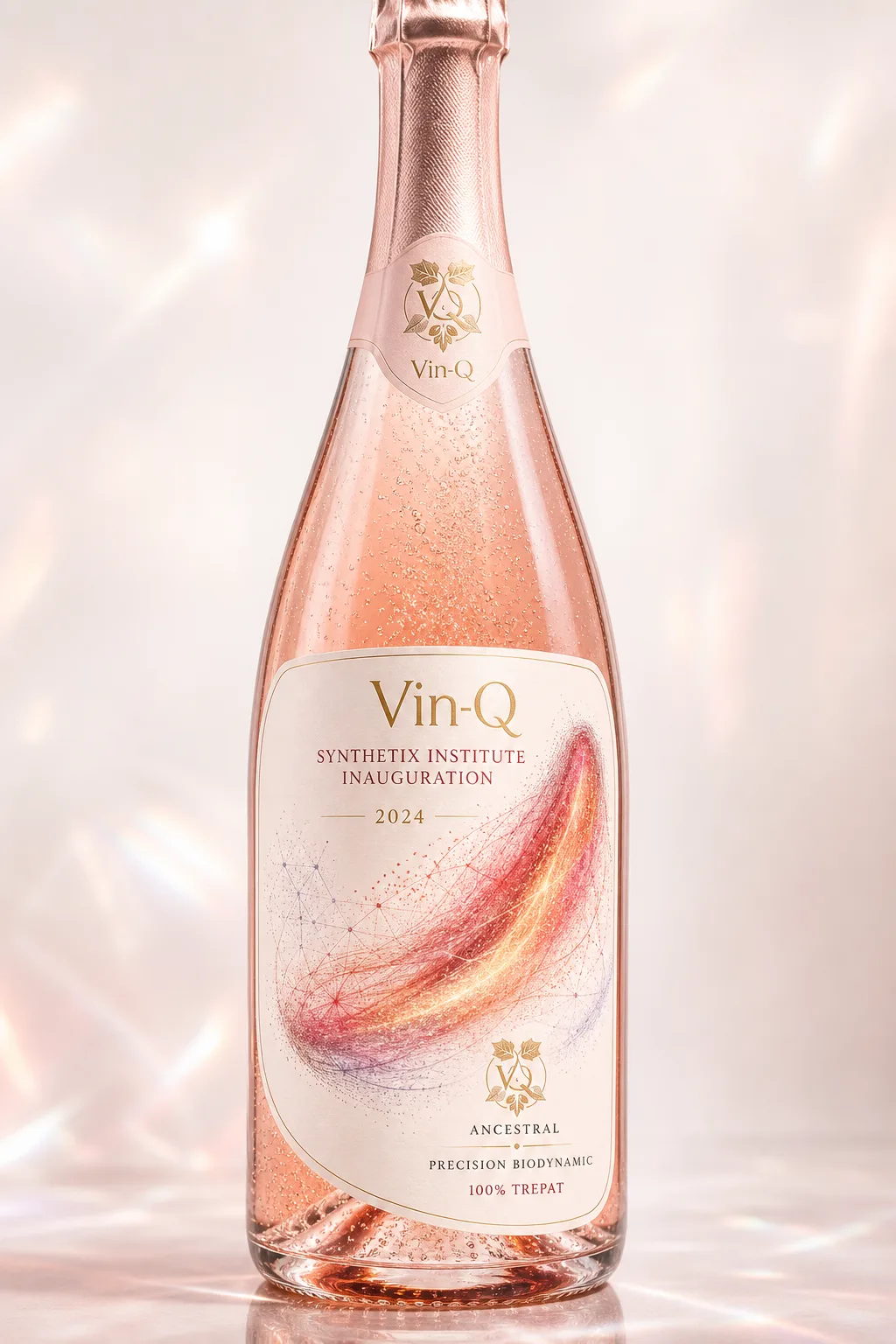
Ancestral Pet-Nat from ecological-regenerative Trepat juice only, fermented by its own native yeast families and bottled without correction.

Origin
Trepat from Verdu, Lleida
Production
about 100 bottles
Release
from June 2026 after 9 months on lees, disgorgement, and final release checks
Style
Ancestral
Certified Provenance

Vintage Passport

L-XA2025-ANCabout 100 bottles
Registered Parcel

Trepat from Verdu, Lleida

ES-CT-L-VERDU-P14 · 430m alt

41.6128° N, 1.1444° E

Bottling record & protocols
PV · Precision viticulture — not on this lotRV · Regenerative vineyard — not on this lotAN · AncestralANNF · Native fermentationNFNC · No correctionNCTM · Traditional sparkling — not on this lotMR · Maturation and releaseMRVQVQM 1.0
AN Ancestral · NF Native fermentation · NC No correction · MR Maturation and releaseWhat this seal means

EMBOTELLAT PER RE. 5231 · B-08796 ES

Ecological and regenerative practices

declared · not certified

Declared by the vineyard operator and recorded as dated operations and inputs. Not EU organic certified: organic status requires a valid certificate from an authorised control body.

Evidence States Log
2 Measured2 Target

No value here is estimated. Each one shows what stands behind it, and a missing critical value holds its gate rather than being filled in.

Verifiable Vintage Passport · Vin-Q System
Release Window: from June 2026 after 9 months on lees, disgorgement, and final release checks
Why this wine

What makes this lot unusual

A 100 kg Trepat lot was pressed to clean juice only. The spontaneous fermentation was driven by the fruit's own indigenous yeast families, carried on the grape skins before pressing; no skins, stems, or seeds were macerated or carried into the wine. No sugar, tirage yeast, dosage, SO2, fining agent, correction product, or other cellar additive was used.

For buyers who want a tiny 2025 Ancestral lot: 100% Trepat juice, zero additives, dense rose color, light body, fine bead, and a dry saline profile for aperitif, seafood, raw fish, spring vegetables, and goat cheese.

01

Why it is small

The lot begins with 100 kg of Trepat and a 100 L deposit. The production scale is a direct consequence of the experimental single-fermentation route.

02

Why it tastes precise

Only juice enters fermentation, so color and phenolics are controlled before bottling. Indigenous yeasts from the grape surface drive the fermentation, and nine months on bottle lees builds bead and texture without changing the light Trepat frame.

03

Best buyer use

Aperitif service, seafood pairings, and technical tastings where the buyer wants to show a clean zero-additive Ancestral Pet-Nat.

In the glass

Sensory Profile

Ancestral Pet-Nat, zero additives, dense rose color, light body, no skin or stem maceration, and 9 months on lees in bottle.

Biophysical Polytope

Sensory Architecture

5 Measurable Dimensions
Freshness 94Aromaticintensity 76Structure andbody 32Salinity 90Perlage &Mousse 88

Click any dimension to see how its position was arrived at.

Aromatic Families

wild strawberryrose petalwhite peppermarine saline notebread crust with air

Palate Architecture

fine persistent beadhigh natural freshnesslight Trepat bodydense rose colorsaline-chalk line

Finish: Long, dry, and mineral, with the red-fruit core giving way to chalk and citrus-like tension.

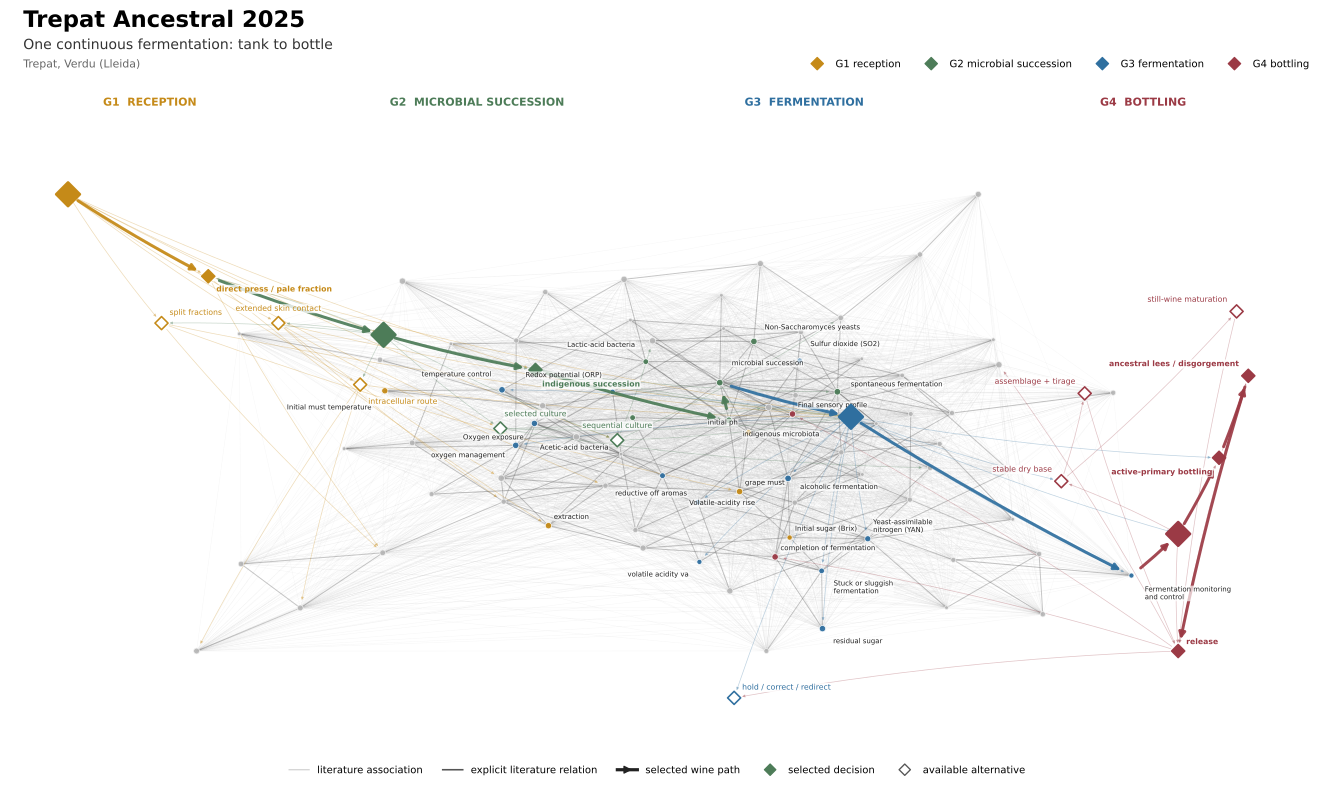
Vin-Q Ancestral constructor path
The highlighted road follows one fermentation through reception, native microbial succession, active fermentation and pressure-safe bottling. The surrounding graph retains the alternative cellar routes considered at each gate. Open full size
Constructor path

Selected route for this wine

Can a 100% Trepat Ancestral Pet-Nat remain clean, light, and precise when the protocol uses ecological-regenerative fruit, indigenous yeast families, timing, and bottle lees, with no additives or correction?

  1. 01Press Trepat and keep clean juice only; no skins, stems, seeds, or later phenolic fractions enter fermentation.
  2. 02Cold settling at 8-10 deg C for 24 hours in sealed stainless steel.
  3. 03Native fermentation with a natural rise to 14-16 deg C.
  4. 04Bottle at 1008-1010 g/L while fermentation is active, with no added yeast or sugar.
  5. 05Hold on lees in bottle for 9 months, then clarify by riddling and disgorgement without dosage.
Service

How to serve the wine

Serve at 8-10 deg C in a white-wine or tulip glass with oysters, raw fish, spring vegetables, goat cheese, or sushi.

oystersraw fishsushispring vegetablesfresh goat cheese