Vin-Q
Ancestral · 2025

Constructor and production route

The selected components, production controls and dated stages used for this wine.

Ancestral · vintage timeline

How this wine was made

7 recorded decisions in order, each at its Vin-Q Method gate. Open any step for the measured parameter, the alternative that was discarded, and the consequence in the glass.

  1. G2
    Step 1 of 7declared

    Trepat in the Field

    Vineyard Plan for the Intended Wine

    date not recorded

    Parcel P14 farmed and sampled for an ancestral route, not a maximum-ripeness pick

    Why this way
    The verified decision

    What the vineyard is asked to produce is decided before the season, because acidity lost on the vine cannot be recovered in the cellar.

    The discarded path

    A yield-led canopy and irrigation plan was rejected; it would have pushed sugar up and acidity down.

    In the glass

    Fruit that arrives with the acid tension an unsulphured, uncorrected wine needs.

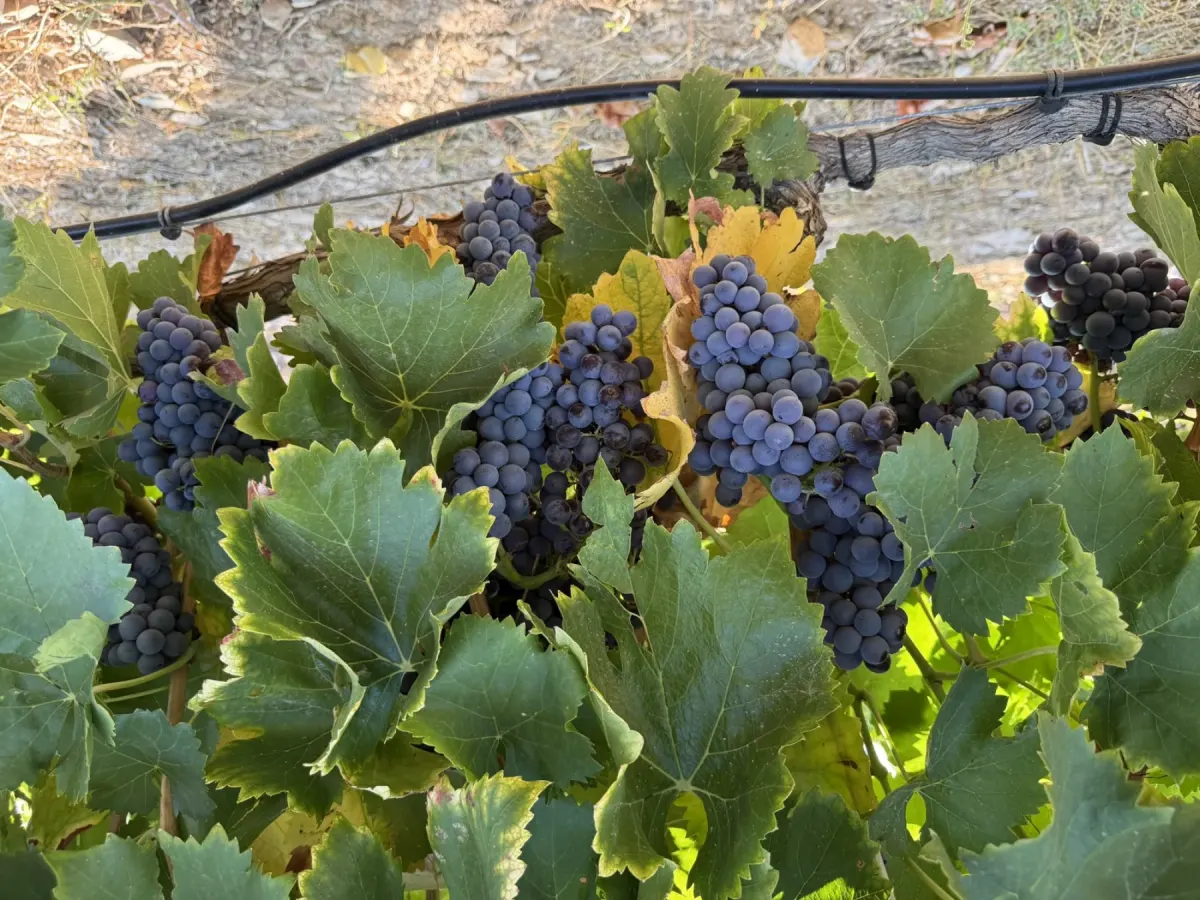
    Trepat on the vine at Verdú before the 2025 pick.
    Trepat on the vine at Verdú before the 2025 pick.
  2. G3
    Step 2 of 7measured

    Hand Harvest at Retained Acidity

    Harvest Window & Final Selection

    date not recorded

    21.2 Brix and pH 3.5 measured

    Why this way
    The verified decision

    Sugar sets the fermentable load and therefore the pressure available at bottling; acidity protects a wine that receives no sulphur.

    The discarded path

    A later pick for higher potential alcohol was rejected; it would have cost the acid tension the route depends on.

    In the glass

    Moderate alcohol and the freshness that carries bottle pressure without correction.

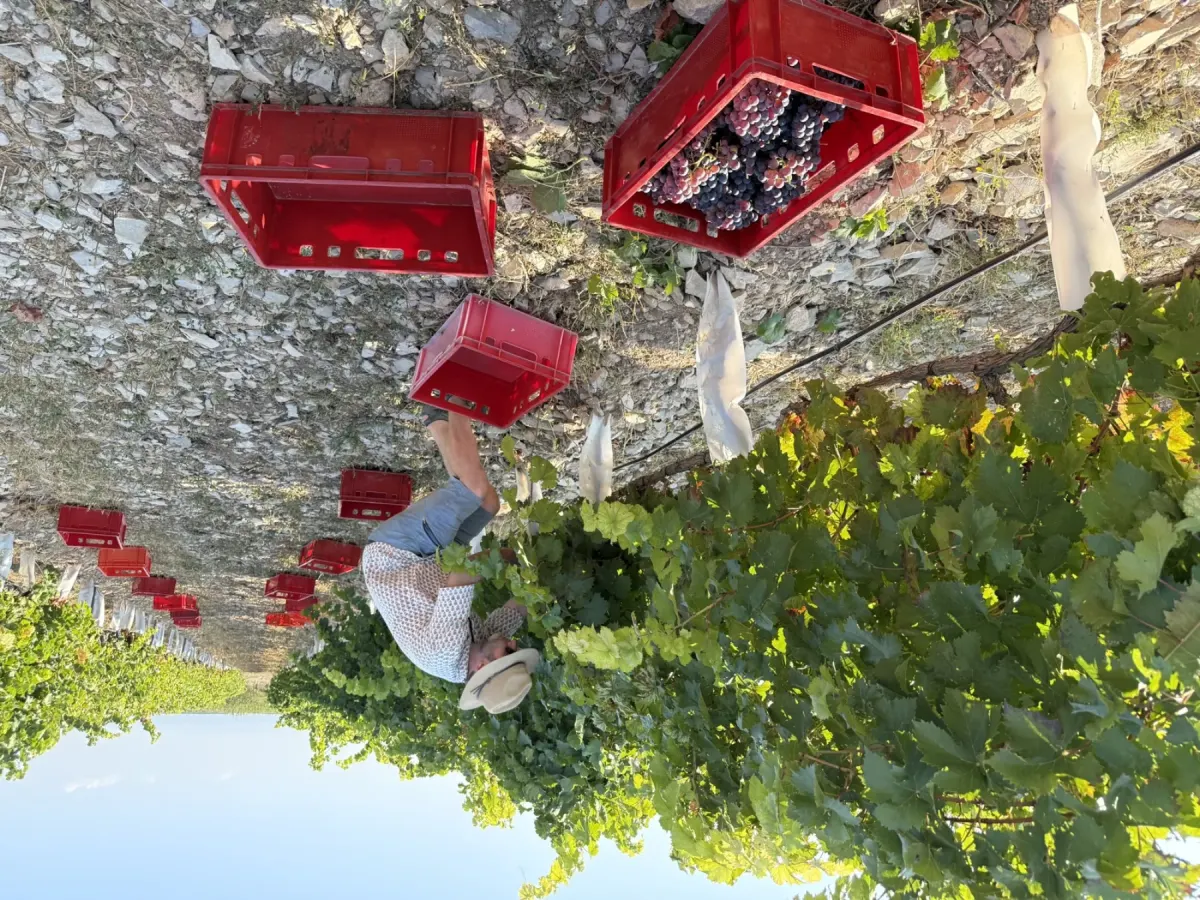
    Trepat collected by hand in Verdú for the 2025 Ancestral lot.
    Trepat collected by hand in Verdú for the 2025 Ancestral lot.
  3. G4
    Step 3 of 7measured

    Juice-Only Reception

    Harvest & Press Fractioning

    date not recorded

    Trepat pressed directly without washing; zero skin contact

    Why this way
    The verified decision

    Grape skins carry indigenous wild yeasts into the press, leaving harsh phenolic matter behind.

    The discarded path

    Maceration on skins for intense extraction was rejected to preserve pale delicacy.

    In the glass

    Light, crystal-clear rosé frame without astringent seed or stem tannins.

    Whole Trepat pressed without washing. Juice runs free of skins, stems and seeds.
  4. G4
    Step 4 of 7measured

    Transfer to Tank

    Admitted Juice and Vessel

    date not recorded

    Free-run juice moved to stainless steel immediately after pressing

    Why this way
    The verified decision

    Juice is most vulnerable between press and fermentation, when no CO2 blanket yet protects it.

    The discarded path

    Holding the juice in the press tray was rejected; standing time invites oxidation and acetic risk before fermentation starts.

    In the glass

    Clean, bright juice entering fermentation with its aromatics intact.

    Pressed Trepat juice running into the stainless tank.
  5. G5
    Step 5 of 7measured

    Spontaneous Yeast Inoculation

    Microbial Flora Selection

    date not recorded

    Indigenous skin flora; natural rise to 14–16°C in stainless steel

    Why this way
    The verified decision

    Diverse wild yeast strains initiate spontaneous fermentation without synthetic accelerator products.

    The discarded path

    Commercial sparkling yeast (EC1118) and nutrient additions were excluded.

    In the glass

    Unstandardized, authentic biological complexity with subtle sourdough nuances.

    The juice ferments in stainless steel on its own indigenous flora.
  6. G7
    Step 6 of 7target

    Active Density Bottling

    Single Fermentation Kinetic Gate

    About September 2025calculated

    Nine months on lees before the June 2026 release places bottling in September 2025.

    Bottling at density 1008–1010 g/L (~24 g/L residual sugar)

    Why this way
    The verified decision

    Bottling during active primary fermentation captures natural CO2 under crown cap with zero tirage.

    The discarded path

    Secondary tirage sugar and second yeast addition were rejected.

    In the glass

    Natural 5.5–6.0 bar effervescence produced purely from remaining grape sugar.

    Bottled while the original fermentation is still active.
  7. G8
    Step 7 of 7target

    Zero-Additive Disgorgement

    Maturation & Release Gate

    Release from June 2026declared

    Stated release window after nine months on lees and final checks.

    9 months on bottle lees; disgorged with zero SO2 and zero dosage

    Why this way
    The verified decision

    Yeast autolysis releases natural mannoproteins that protect against oxidation without sulfur additions.

    The discarded path

    Chemical sulfur stabilization and sugary liqueur d'expédition were omitted.

    In the glass

    Bone-dry, saline, mineral finish with autolytic bread-crust complexity.

    Disgorged after nine months on lees, with no dosage.
Production controls

Controls specific to this wine

01

One fermentation, two vessels

The same indigenous yeast families carried by the grapes start fermentation in sealed stainless steel and finish it under crown cap. Pressure comes from the grape juice remaining active at bottling, not from added yeast or sugar.

02

Juice only

Only clean Trepat juice enters fermentation. The grape skins are the biological source of the native yeast community, but skins, stems, seeds, and later phenolic press fractions are left out of the wine.

03

Density as the bottling gate

Bottling is targeted at 1008-1010 g/L, corresponding to about 24 g/L fermentable sugar and approximately 5.5-6.0 bar after completion.

04

Nothing added

The bottle is released as zero-additive Ancestral Pet-Nat: no tirage yeast, no dosage, no SO2, no sugar addition, no fining, no filtration, and no acidity, aroma, color, or texture correction.