
Vin-Q
Wine evidence, glass and traceability data
Why data · VQM 1.0

How Vin-Q uses production data

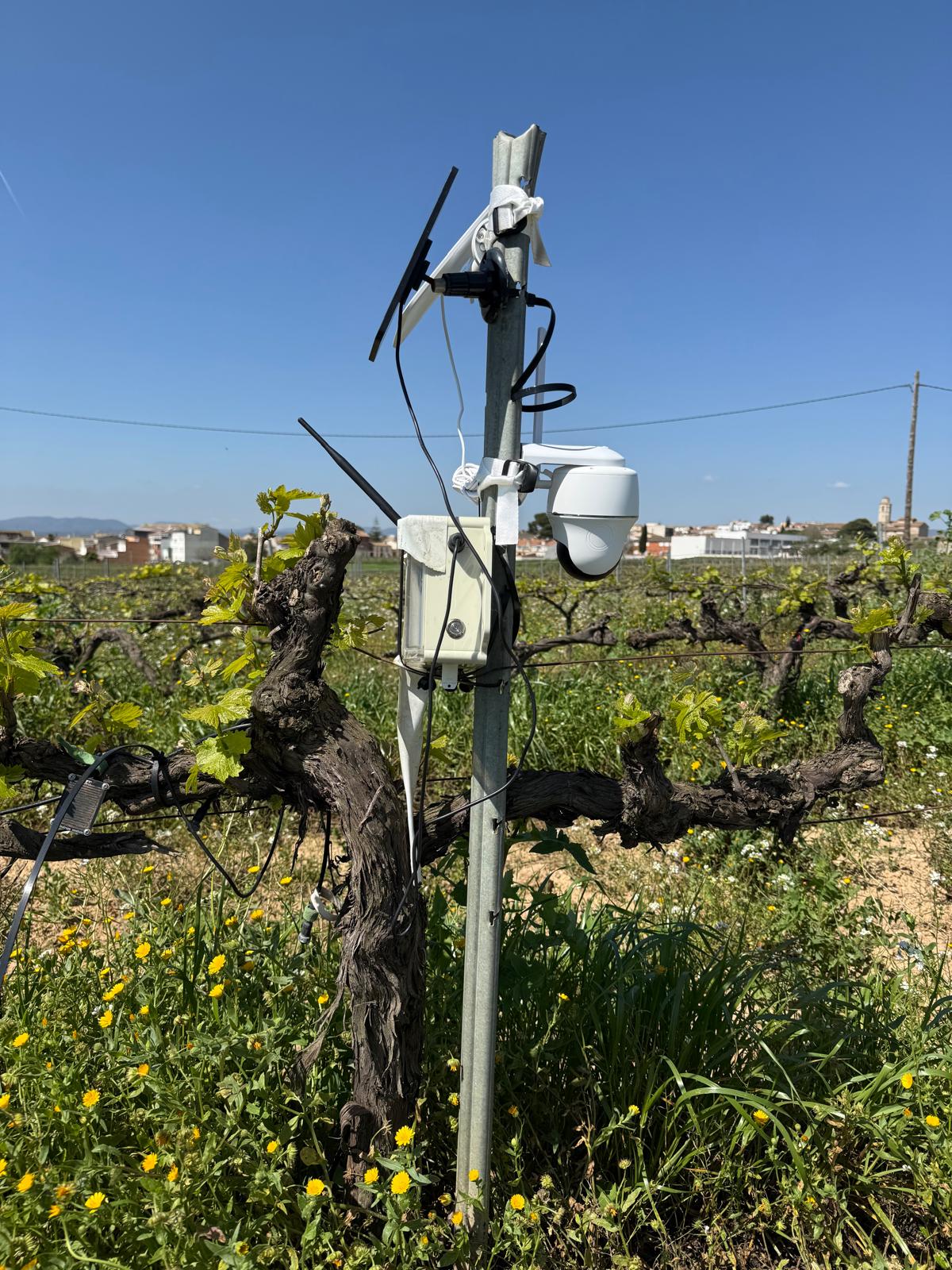
Vin-Q connects vineyard probes, tank sensors and laboratory analyses to the constructor. Each operation from harvest to release is measured and decided against the target set for the wine. The producer gains control of the cellar; the buyer gains a wine made to a stated target, with the record of how it was made.

Control loop

How the control loop works

Every operation in a Vin-Q production runs through the same four steps. Sensors and analyses measure the lot, the constructor compares the reading with the target window, the owner of the gate decides, and the cellar acts. The next reading starts the cycle again.

Control loop in 4 steps: Measure, Compare, Decide, Act, then back to Measure. Input: Target window. Output of every cycle: Vintage Record. At release: Certification.

Input

Target window

Set from the wine brief at Gate 0 and fixed for each lot at route commitment, Gate 5.

  1. 1Measure

    Sensors and analyses

    • Vineyard probes: soil water and temperature at stated depths
    • Tank temperature, logged continuously
    • Density as a timed series
    • pH, titratable acidity, YAN, volatile acidity, SO₂, dissolved oxygen
  2. 2Compare

    Constructor

    • State and trajectory against the target window
    • Next milestone forecast from the measured rate
    • Risk signals: slowing rate, rising volatile acidity, oxidation
  3. 3Decide

    Gate

    • Continue, change temperature, adjust oxygen or nitrogen
    • Separate a fraction, hold, redirect or bottle
    • Signed by the farmer, winemaker or reviewer who owns the gate
  4. 4Act

    Operation

    • Cooling or heating set point
    • Pump-over, aeration or protection from oxygen
    • Additions inside the declared limits
    • Pressing, racking or bottling, logged with time and dose

Next reading · sampling interval shortens near an irreversible decision

Output of every cycle

Vintage Record

Each cycle is written with its time, measurements, decision, responsible person, reason and next due measurement.

At release

Certification

A technical reviewer signs the release at Gate 8. The lot receives its seal with the protocols it earned, its record ID and QR.

Producer

What the producer gains

Control of every operation from harvest to release. Each operation below runs as a loop: a measured value, a target window and a signed decision.

Harvest date and segmentation

G2–G3

Measured and controlled

  • Sugar, pH and titratable acidity by parcel zone
  • Sanitary state and bunch-zone temperature
  • Soil-water state, weather and disease-risk models

Producer gainEach zone is picked when it reaches its own target, so acidity and aroma arrive where the style needs them and the must enters the cellar ready for its route.

Reception and lot acceptance

G4

Measured and controlled

  • Lot mass, fruit temperature and transport time
  • Sanitary state, sugar, pH and titratable acidity

Producer gainEvery lot starts with a measured state. Press fractions are split on measurement, and every later calculation starts from real values.

Fermentation temperature and kinetics

G6

Measured and controlled

  • Tank temperature, logged continuously
  • Density series and the rate calculated from it

Producer gainThe cooling or heating set point follows the measured rate, holding the fermentation on the trajectory chosen for aroma and completion. A slowing rate shows in the data while it can still be corrected.

Nitrogen and yeast

G5–G6

Measured and controlled

  • YAN before route commitment
  • Density trajectory and volatile acidity at defined points
  • Microbial analysis when kinetics call for it

Producer gainNutrient goes in when the trajectory calls for it, at a recorded dose. Native fermentations run with a defined response path.

Oxygen

G5–G8

Measured and controlled

  • Oxygen plan set at route commitment
  • Dissolved oxygen around transfers, bottling and maturation
  • Redox potential where the route uses it

Producer gainYeast receive oxygen when they need it and the wine is protected afterwards, with each exposure logged against the operation that caused it.

Bottling window and pressure

G7

Measured and controlled

  • Density and temperature sampled more often near the window
  • Pressure calculated against bottle rating and closure

Producer gainSparkling lots are bottled at the density that gives the intended pressure, matched to the bottle, the closure and the style.

Maturation and release

G8

Measured and controlled

  • Volatile acidity, pH, residual sugar and SO₂ where used
  • Dissolved oxygen, stability and sensory checkpoints

Producer gainRelease criteria are set in advance for the route. The lot is released when it meets them, and its release record serves as the technical sheet for buyers.

Additions and interventions

G4–G8

Measured and controlled

  • Complete register of additions and processing aids
  • Intervention limits declared at route commitment

Producer gainA complete ledger is ready for buyers, importers and inspectors, and every intervention claim on the label is backed line by line.

Commercial gains

Repeatable results

Targets, control rules and outcomes are stored for every lot. A successful wine becomes a set of windows you can run again, and each vintage is compared with the last on the same parameters.

Stored target windows and versioned protocols

A record that sells the wine

Importers and distributors read the parcel, the lot, the analyses and the decisions from anywhere. The wine is presented on evidence they can verify.

Public Vintage Record and a QR for each lot

Certification scope checked before blending

Organic scope, appellation rules and variety restrictions are checked against candidate parcels at Gate 1, while the fruit can still go to another wine.

Certification scope is a Gate 1 eligibility constraint

You keep the wine, the brand and the decisions

The constructor proposes, compares and holds. The farmer and the winemaker own their gates, decide and sign. Ownership stays with you.

Every gate names its owner

Buyer

What the buyer gains

A wine made to a target you set, produced under measured control, with the record of every decision taken to reach it.

You set the target

A commission starts from the sensory direction, volume, release date and intervention limits you choose. The constructor turns them into numeric windows for each gate, with a priority order where properties trade off against each other.

Gate 0 approves the brief; Gate 5 fixes the lot’s windows

The wine is produced under control

Tank temperature, density and laboratory analyses are compared with those windows through fermentation and maturation, and each operation is decided from the current reading.

Gates 4 to 8, with dated sensor series and signed decisions

You know what is in the bottle

The complete additions register, the release analysis — alcohol, acidity, residual sugar, SO₂ where used — and the stability result, published for that bottle lot.

Release analysis and additions register in the Vintage Record

Each value carries its evidence state

Measured, calculated, target, estimated, declared or externally certified, printed beside the value. Only measured or validly calculated values pass a gate.

Seven evidence states defined in the Method

The seal shows what the lot earned

Each protocol on the seal was earned by that lot’s own evidence. The record ID and QR open the full record in a browser.

Seven protocol labels and one release record per lot

The next vintage runs on the same targets

Stored targets can be reused for a new commission. The constructor repeats the measurements for the new vintage and records how it compares.

Stored windows, with measurements repeated each vintage

Evidence

Seven evidence states

Every value in the record carries one of these states. A measured value, or one validly calculated from measurements, can pass a gate.

Measured

Recorded directly for the identified lot using a stated method.

May pass a gate.

Calculated

Derived from measured inputs using a stored formula.

May pass a gate when the calculation is valid for the decision.

Target

An approved set point, range or trajectory.

Defines a gate; does not prove it passed.

Estimated

A planning value based on incomplete or indirect evidence.

Supports scenarios only.

Declared

A statement by the responsible operator, signed and dated.

Supports operation and provenance claims.

Externally certified

A valid certificate from an identified external scheme and scope.

Supports the named external claim.

Missing

A required value is absent.

Keeps the associated critical gate on hold.

The nine gates

Each gate with its owner, the decision it takes and the values that decision depends on.
GateDecision takenValues it depends on
G0Commission and wine briefYouAccept the brief as physically and legally constructible, or revise incompatible requirements.Category and colour · Sensory direction · Volume and release horizon · Intervention limits · Optional external standards
G1Inventory and grape selectionConstructorProduce ranked single-parcel and multi-parcel candidates from registered parcels.Parcel identity · Available volume · Farming record · Expected harvest state · Certification scope
G2Vineyard planFarmerSet soil-water, rhizosphere and fruit-microclimate actions from the measured parcel state and intended wine.Phenological stage · Downy and powdery mildew risk, reported separately · Soil and vine water state · Compaction and infiltration · Rhizosphere diagnosis · Canopy and bunch microclimate · Sampling plan
G3Harvest window and final grape selectionFarmer and winemakerDefine harvest segments by parcel zone, exposure, maturity, sanitary state, skin microbiology and intended route.Sugar · pH · Titratable acidity · Berry and sanitary state · Skin microbial state · Phenolic or aromatic maturity · Berry and bunch-zone temperature · Weather forecast
G4Reception and lot acceptanceWinemakerAccept, sort, split press fractions, reduce the proportion, redirect or stop.Lot identity and mass · Transport time and temperature · Sanitary state · Sugar, pH and titratable acidity
G5Route commitmentWinemakerCommit the component to its microbial, extraction and endpoint route.Composition · YAN · Microbial strategy · Vessel and temperature capacity · Oxygen plan · Addition limits
G6Active fermentation and transformationWinemakerContinue, change temperature, adjust oxygen handling, separate a fraction, revise the plan, redirect or stop.Density trajectory · Temperature · Volatile acidity · Sensory state · Route-specific redox, oxygen or microbiology
G7Endpoint, assemblage and bottlingWinemakerFinish still, bottle an active primary fermentation, assemble base wines, perform tirage, retain separately, redirect or hold.Residual sugar or density · Alcohol · pH and titratable acidity · Volatile acidity · Microbial state · Pressure calculation where relevant
G8Maturation and releaseTechnical reviewerContinue maturation, disgorge, filter, blend, correct under an allowed protocol, redirect, hold or release.Final composition · Stability · Oxygen state · Sensory integration · Fault screen · External certificates and label text