
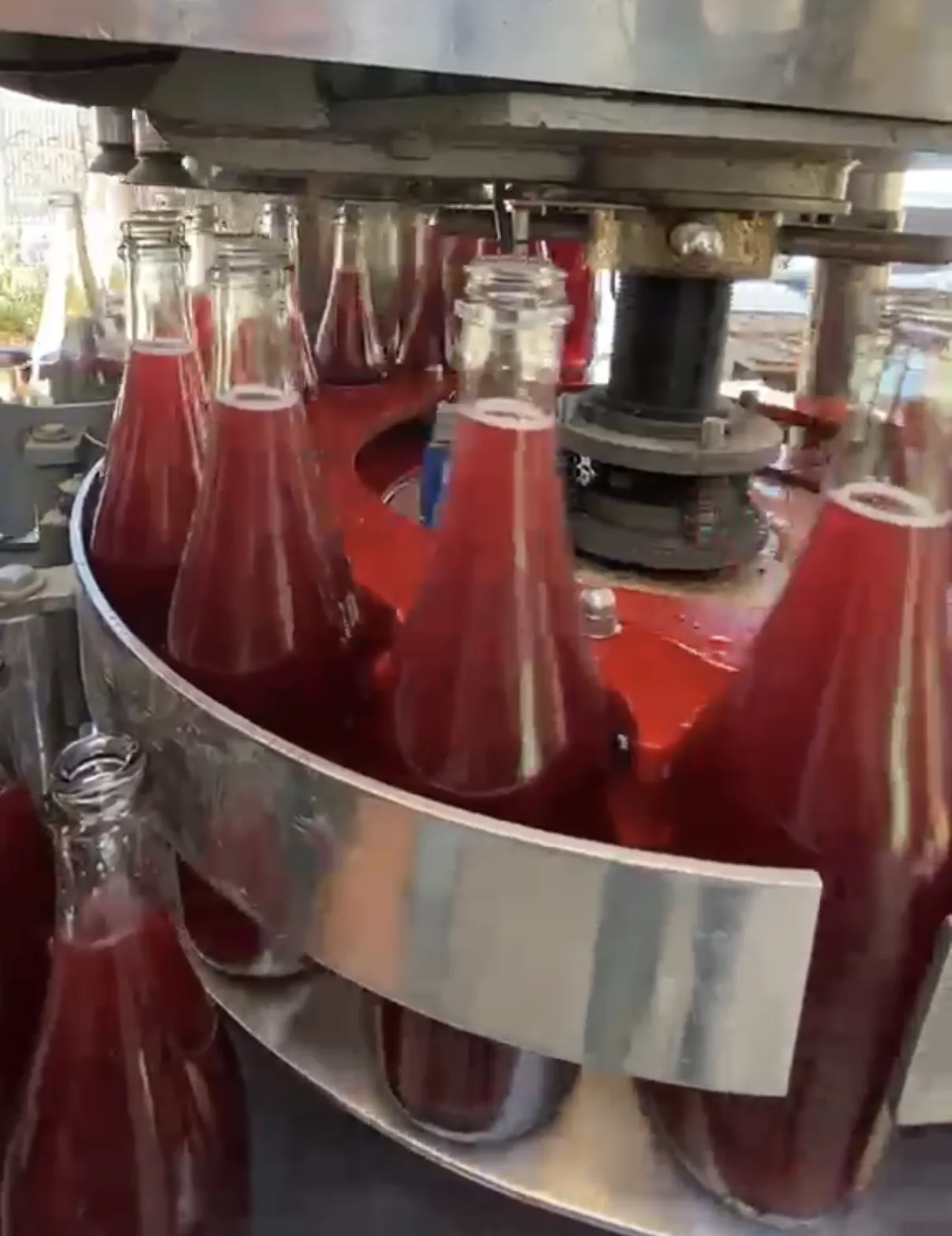
Trepat T1
Verdú, Lleida
Precision, acidity, clean fruit frame, and reductive backbone.
600 L / 33.3%
The grapes, their vineyards and the 2025 weather from 1 April to each harvest.
Trepat T1, Trepat T2, and Garnatxa from Verdú, Lleida
Verdú, Lleida
Precision, acidity, clean fruit frame, and reductive backbone.
Verdú, Lleida
Aromatic breadth, microbial complexity, texture, and autolytic precursors.
Verdú, Lleida
Body, glycerol, sun-ripe fruit, and structural width.
At Verdú the acid comes from cool nights. Over the same 171 days the vineyard ran 1.1 °C cooler after dark than the Tàrrega station 6.2 km away, with the same number of days above 35 °C. Trepat and Garnatxa shared this weather and its 15 °C daily swing, which keeps the acid a sparkling base needs.
| Measure | Verdú blockon-site probes | XEMA C7 Tàrrega6.2 km | What it does to the fruit |
|---|---|---|---|
| Night temperature, season mean minimumRespiration slows as the night cools, so the acid built during the day survives to dawn. A sparkling base is picked at low sugar and cannot afford to lose any of it. | 14.5 °CXEMA C7 Tàrrega 15.6 °C | 15.6 °C | Respiration slows as the night cools, so the acid built during the day survives to dawn. A sparkling base is picked at low sugar and cannot afford to lose any of it. |
| Nights at or above 20 °CWarm nights are what burn acid off. Across identical days the block recorded fewer than half the station’s count. | 16 of 171XEMA C7 Tàrrega 38 of 171 | 38 of 171 | Warm nights are what burn acid off. Across identical days the block recorded fewer than half the station’s count. |
| Day-to-night range, season meanSugar by day, acid kept by night. The wide swing is what allows both varieties to be picked ripe in flavour while still low in alcohol. | 15.2 °CXEMA C7 Tàrrega 13.1 °C | 13.1 °C | Sugar by day, acid kept by night. The wide swing is what allows both varieties to be picked ripe in flavour while still low in alcohol. |
| Days at or above 35 °CExtreme heat is regional and reaches the block too. The two counts agree exactly, which confirms the probe and places the cooler nights at the site itself. | 34XEMA C7 Tàrrega 34 | 34 | Extreme heat is regional and reaches the block too. The two counts agree exactly, which confirms the probe and places the cooler nights at the site itself. |
| Root zone at 15 cm, season meanRoots take up water and nitrogen freely below 25 °C and stop above 30 °C. At 15 cm the block did not reach 30 °C once in 2025, so nitrogen kept moving and the must arrived fermentable. | 21.7 °CXEMA C7 Tàrrega no soil sensor | no soil sensor | Roots take up water and nitrogen freely below 25 °C and stop above 30 °C. At 15 cm the block did not reach 30 °C once in 2025, so nitrogen kept moving and the must arrived fermentable. |
| Hours with the root zone above 25 °CA quarter of the season slows root uptake. At 15 cm the soil moves only 1.9 °C across a day, so just over half of those hours fall at night: once the root zone crosses 25 °C it stays there until the weather turns. | 1,043 of 4,104XEMA C7 Tàrrega — | — | A quarter of the season slows root uptake. At 15 cm the soil moves only 1.9 °C across a day, so just over half of those hours fall at night: once the root zone crosses 25 °C it stays there until the weather turns. |
| Plant-available water at 35 cmNever short before veraison, which is what keeps berry size and juice yield up. The press fraction a sparkling base depends on comes from that. | 62 % mean, 20 % lowXEMA C7 Tàrrega — | — | Never short before veraison, which is what keeps berry size and juice yield up. The press fraction a sparkling base depends on comes from that. |
| Relative humidity at nightDry nights keep the skins sound, which matters more here than anywhere: the fruit is whole-bunch pressed and any rot goes straight into the base wine. | no hygrometerXEMA C7 Tàrrega 74 % | 74 % | Dry nights keep the skins sound, which matters more here than anywhere: the fruit is whole-bunch pressed and any rot goes straight into the base wine. |
| Hours at or above 90 % humidityBotrytis needs sustained wetness on the skin. Fourteen per cent of the season is low pressure, and Botrytis laccase is what would have cost the rosé its colour. | —XEMA C7 Tàrrega 589 of 4,104 | 589 of 4,104 | Botrytis needs sustained wetness on the skin. Fourteen per cent of the season is low pressure, and Botrytis laccase is what would have cost the rosé its colour. |
| Rain in the 30 days before pickingEnough to keep the vines working through the last fortnight without diluting the fruit. The Trepat picked eight days later saw only 5.4 mm. | —XEMA C7 Tàrrega 21.0 mm | 21.0 mm | Enough to keep the vines working through the last fortnight without diluting the fruit. The Trepat picked eight days later saw only 5.4 mm. |
Block figures are the on-site probes at 15-minute resolution: air temperature, and soil temperature and plant-available water at 15, 35 and 50 cm. The probes carry no hygrometer and no rain gauge, so humidity and rainfall come from XEMA station C7 at Tàrrega, 6.2 km away, at half-hourly resolution. Day and night are taken from solar elevation, not from a light sensor. The season runs from 1 April to the day the fruit was picked. Bars show shares and percentages; temperatures sit on one 0–40 °C scale.
Trepat T1 and Garnatxa were harvested on 18 September; Trepat T2 followed on 26 September. The additional eight days contributed 150 MJ/m² of measured solar energy, seven high-solar days and 60 GDD10. Rain in the final 30 days fell from 21.0 to 5.4 mm.
Trepat T1 + Garnatxa
Verdú · XEMA C7
Harvest 18 Sept
1 April to harvest
21-day dry spell
MJ/m², 1 April to harvest
171 observed days
34 days at or above 35°C
Trepat T2
Verdú · XEMA C7
Harvest 26 Sept
1 April to harvest
29-day dry spell
MJ/m², 1 April to harvest
179 observed days
34 days at or above 35°C
Monthly XEMA accumulation. September ends on each lot's harvest date.
Monthly means; September ends at each lot's harvest date.
Mean air temperature during calculated daylight and night-time periods.
Mean relative humidity during calculated daylight and night-time periods.
Observed half-hourly XEMA temperature, humidity, precipitation and global solar irradiance from 1 April to harvest; 99.9% coverage. Irradiance in W/m² is integrated as MJ/m². A high-solar day reaches at least 65% of daily extraterrestrial irradiation. Station observations describe regional exposure at municipality precision: C7 Tàrrega (6.2 km).