
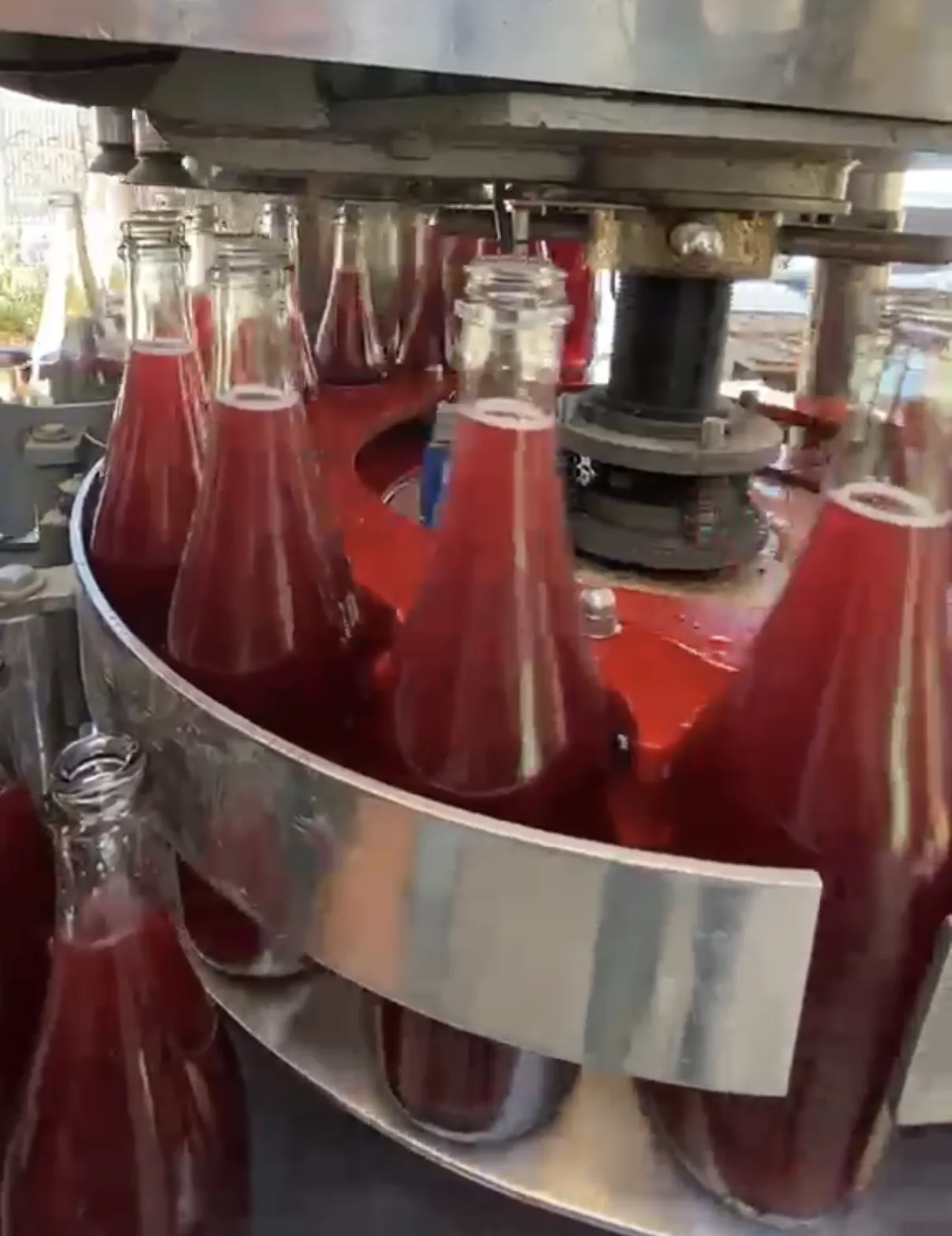
Making the wine
Each step from vineyard to bottle, with the recorded dates.
Step by step
6 steps in the making of Brut Nature rosé. Open a step to see why it was taken and what it gives the wine.
Step 1: Two Trepat harvests
18 and 26 September 2025declared
Trepat T1 (600 L) and T2 (800 L), picked eight days apart and made separatelymeasured
Why, and what it gives the wine
Why
The earlier pick keeps more malic acid; the later pick builds more aroma.
In the glass
Freshness from T1, aroma and depth from T2.
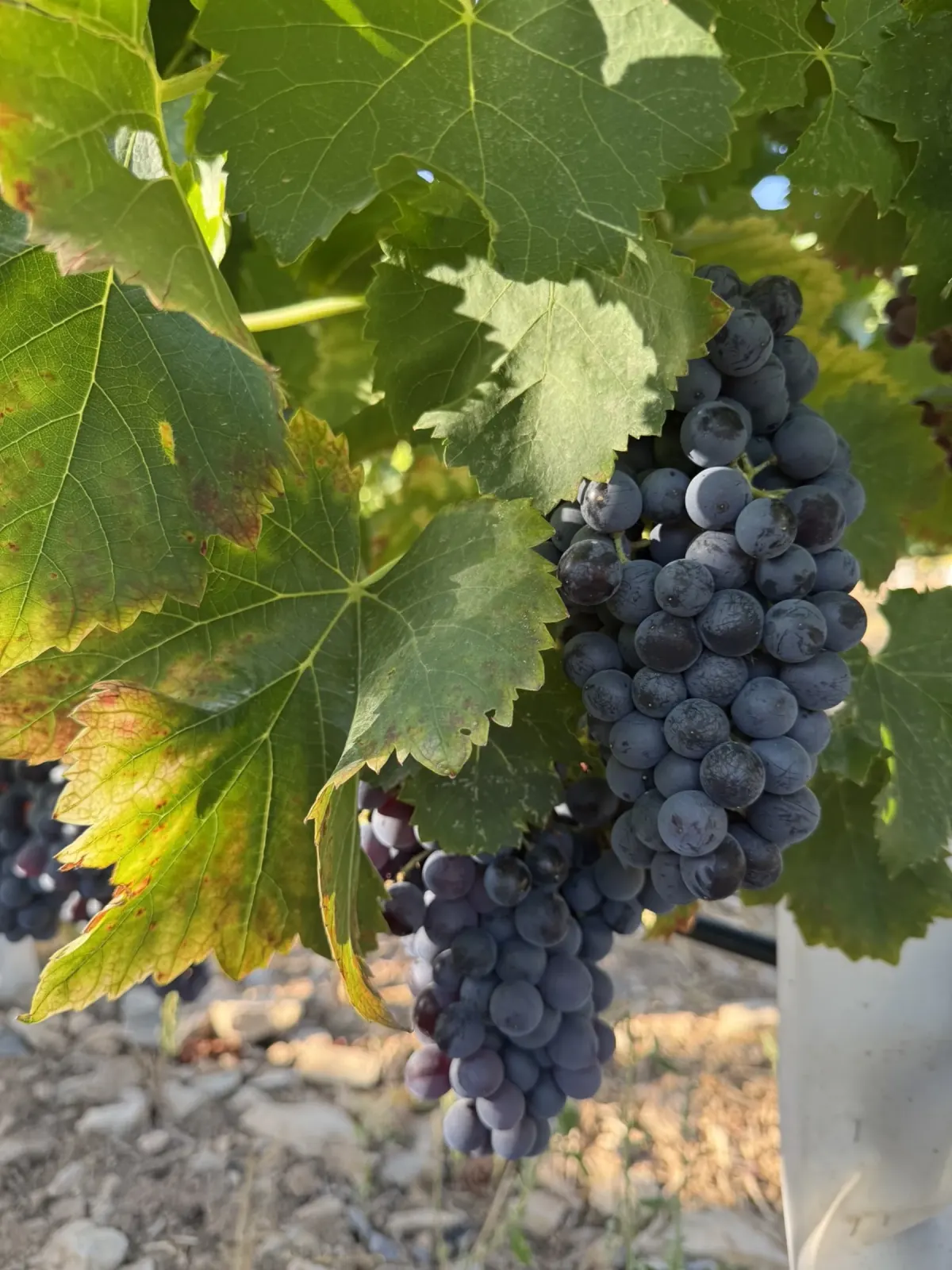
Two harvest moments are kept as separate components. Step 2: Short skin contact for colour
Trepat left on its skins before pressing, for the rosé colourdeclared
Why, and what it gives the wine
Why
Colour leaves the skins quickly and tannin slowly, so a short contact gives the colour first.
In the glass
Pink colour with a light touch of tannin.
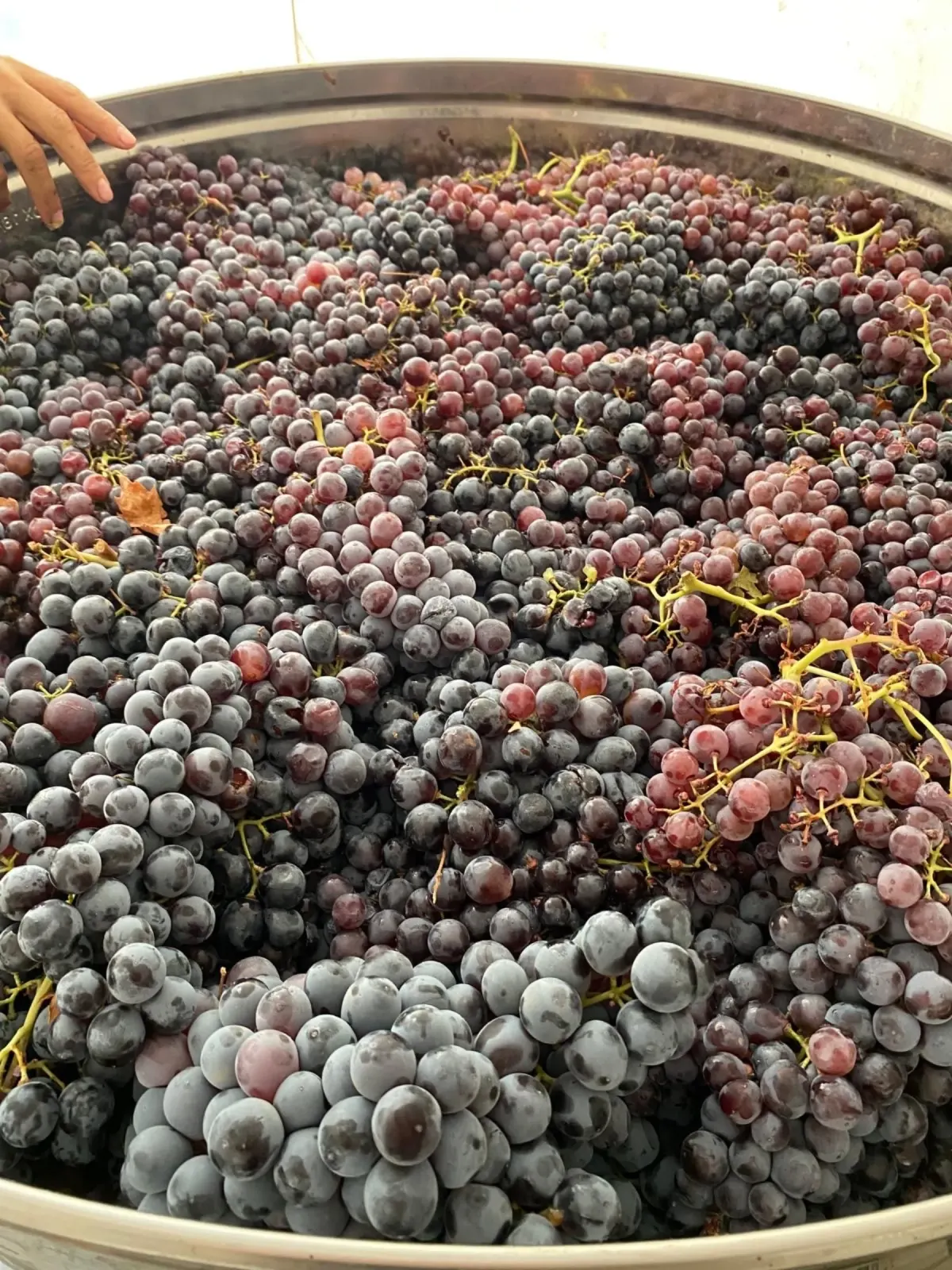
Trepat held on its skins before pressing, to draw the rosé colour. Step 3: Each lot pressed separately
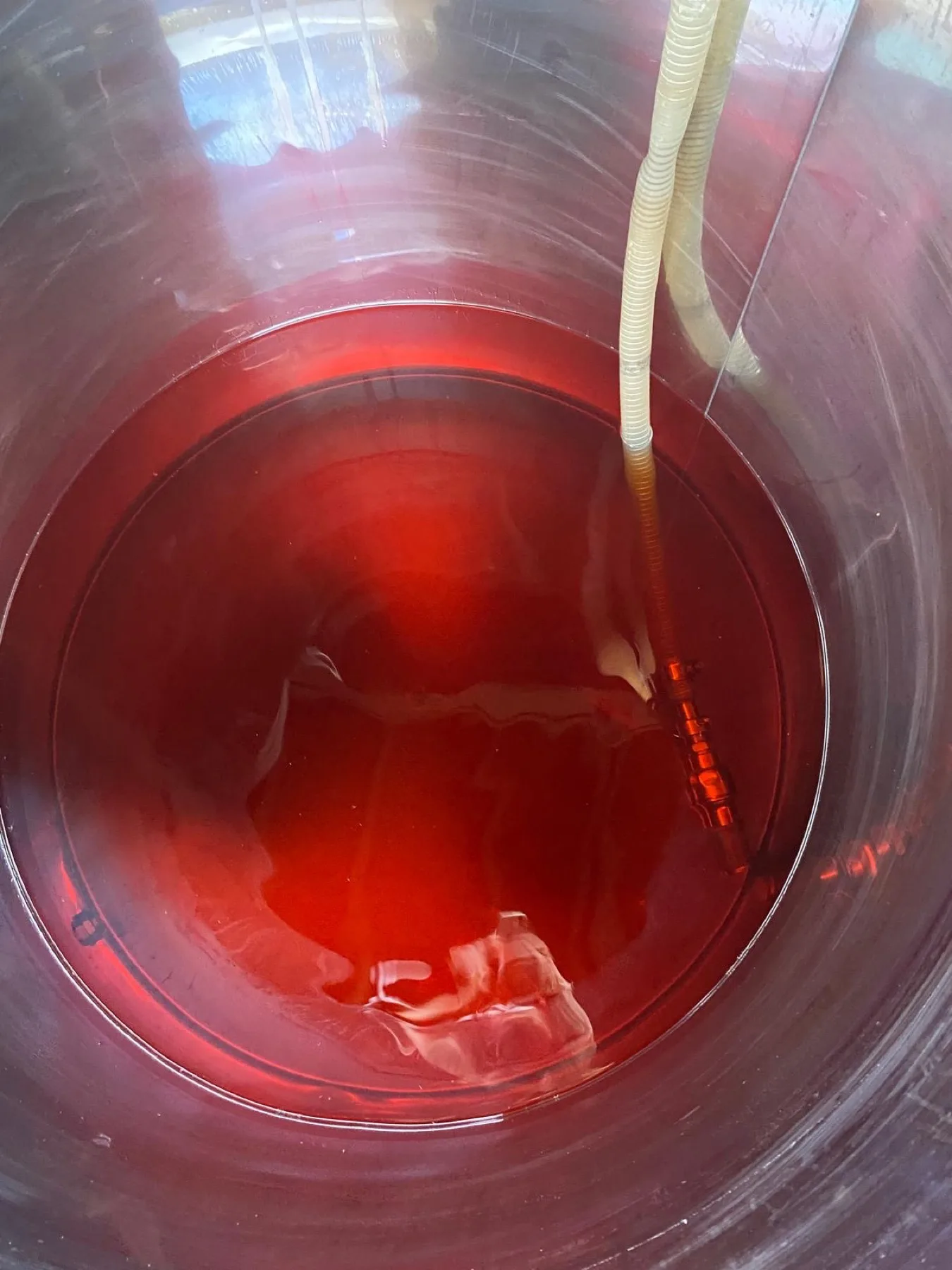
Trepat T1, Trepat T2 and Garnatxa pressed and kept as three lotsmeasured
Why, and what it gives the wine
Why
Kept apart, each lot can be measured and tasted on its own before the blend is set.
In the glass
Three base wines that can be blended to a target.
Trepat juice running from the press, kept separate by component. Step 4: Blended cool at pH 3.25
Lots cooled below 8 °C and set to pH 3.25 before the 400 L of Garnatxa went intarget
Why, and what it gives the wine
Why
Low pH and cold keep bacteria quiet while the lots are blended.
In the glass
Clear fruit and protection from early browning.
Base wines are cooled and assembled to the acid target. Step 5: Fine lees kept, second fermentation in bottle
Base fermentation 20 September – 1 October 2025measured
Clean fine lees kept; tirage with EC1118 yeastmeasured
Why, and what it gives the wine
Why
EC1118 ferments the whole 1,800 L evenly to full pressure.
In the glass
A fine, creamy mousse and clean aromas.
Clean fine lees retained before tirage. Step 6: 36 months on the lees
Release late 2028 or early 2029declared
36 months lying in bottle on the lees, then disgorged with zero dosagetarget
Why, and what it gives the wine
Why
Three years on the lees release amino acids and mannoproteins that give the wine texture.
In the glass
Flint, toasted almond and brioche, fully dry.
Thirty-six months horizontal, then zero-dosage disgorgement.
Fermentation trace · Trepat base
Cold start at 14 °C, then held at 25 °C once fermentation was established. The density fell from 1082 to 1000 g/L over eleven days: a complete first fermentation, ready for tirage.
Cellar CONTROL DE FERMENTACIÓ sheet, 20 September to 1 October 2025.