
1. Wine quality has chemistry; perception has subjectivity
Wine quality is linked to physical and chemical parameters. Ethanol, acidity, pH, volatile acidity, phenolics, residual sugar, dissolved oxygen, sulfur dioxide, aroma compounds, microbial stability, and texture can be measured, and they constrain what a taster can perceive.
The problem begins when a label, medal, or score is treated as a measurement of that full system. A score is not a chromatogram, microbiological record, vineyard log, or record of cellar correction. It is a human judgement made under a tasting context.
Charters and Pettigrew showed that expert evaluations include sensory information, but also cultural expectations, social context, reputation, and symbolic value. Scores should therefore be read as evaluations of perceived quality. A serious quality record needs both the physical markers and the production history that can adjust the perceived result.
2. The reliability problem in wine judging
Robert Hodgson tested judge reliability by inserting the same wine more than once into blind competition tastings. Judges often assigned substantially different scores to the same wine when they did not know it was repeated.
In many cases, identical wines received scores spanning multiple medal categories. This directly challenges the assumption that medals are objective measurements of stable quality: the score can move even when the wine does not.
- Intra-judge variability: the same judge may score the same wine differently.
- Inter-judge variability: different judges may disagree on the same wine.
- Medal variability: identical wines can cross medal categories under repeated tasting.
3. Parkerization and stylistic convergence
The Parker 100-point system became one of the most influential forces in modern wine criticism. The term Parkerization refers to the adaptation of wine styles to match preferences associated with high scores.
The mechanism is simple and commercially powerful. If high scores repeatedly reward a dense sensory profile, producers can shift vineyard and cellar practice toward that target: later picking for sugar and phenolic ripeness, stronger extraction for color and body, more new oak or oak alternatives for vanilla and toast notes, acid adjustment to recover freshness, alcohol adjustment if the finish becomes hot, and fining or micro-oxygenation to soften edges before review.
A striking example is the score-driven red wine built to appear immediately impressive at a tasting table. The wine can be made darker, riper, smoother, oakier, and more concentrated than the parcel would have produced under a less interventionist route. The resulting bottle may be coherent and commercially successful, but the score partly reflects successful adjustment to a known tasting grammar.
The scientific issue is attribution. When producers converge toward a rewarded profile, the score may describe stylistic conformity more than regional identity, biological history, or the degree of correction used to produce the final taste.
- Vineyard adjustment: later harvest increases sugar, alcohol potential, ripe-fruit impression, and phenolic maturity.
- Extraction adjustment: longer or more forceful extraction increases color, tannin, body, and concentration.
- Cellar adjustment: oak, acid, alcohol, tannin, oxygen, fining, filtration, and yeast choices can move aroma, texture, and balance toward a score-friendly profile.
4. Alcohol, ripeness, and sensory balance
Later harvests, warmer seasons, and market preference for ripe styles can increase grape sugar and wine alcohol. Higher ethanol changes aroma release, mouthfeel, and perceived balance.
Escudero and colleagues showed that ethanol concentration can affect aroma perception in red wine. Intensity, ripeness, and alcohol can therefore influence the sensory impression that later becomes a score.
5. The label does not represent the whole biological system
A vineyard changes every year. Temperature, rainfall, disease pressure, soil moisture, microbial communities, and harvest timing vary by vintage. The commercial label often remains stable across those changes.
Modern winemaking can also reduce vintage variation. Selected yeast strains, nutrient additions, acidification, deacidification, tannin additions, reverse osmosis, alcohol adjustment, and oak alternatives can produce consistent sensory profiles despite different vineyard conditions.
From a marketing perspective, consistency is useful. From a scientific perspective, it can obscure information about the agricultural system that produced the wine.
6. Same label, different year, different wine
A wine name is designed to remain stable. The vineyard, cellar, label, typography, region, and brand can look identical from year to year. The wine inside the bottle is not identical. Each vintage is a new biological event.
Rainfall, heat waves, drought, disease pressure, canopy growth, soil water, harvest timing, microbial populations, and fermentation kinetics change from season to season. These variables alter sugar, acidity, phenolics, aroma precursors, nitrogen status, microbial risk, and texture. The same producer can therefore release two bottles under the same name that differ strongly in balance, aroma, ageing potential, and stability.
This is why "same region" and "same cellar" are weak guarantees when used alone. They identify origin and producer continuity; they do not prove reproducibility. Reproducibility would require a production record that shows how the vintage differed and how the farmer and cellar responded.
- The label preserves identity across years; the vineyard does not preserve the same weather, disease pressure, or microbial state.
- The cellar can reduce variation through blending, correction, yeast choice, oak, filtration, and analytical adjustment, but that creates a managed style rather than proof of identical origin expression.
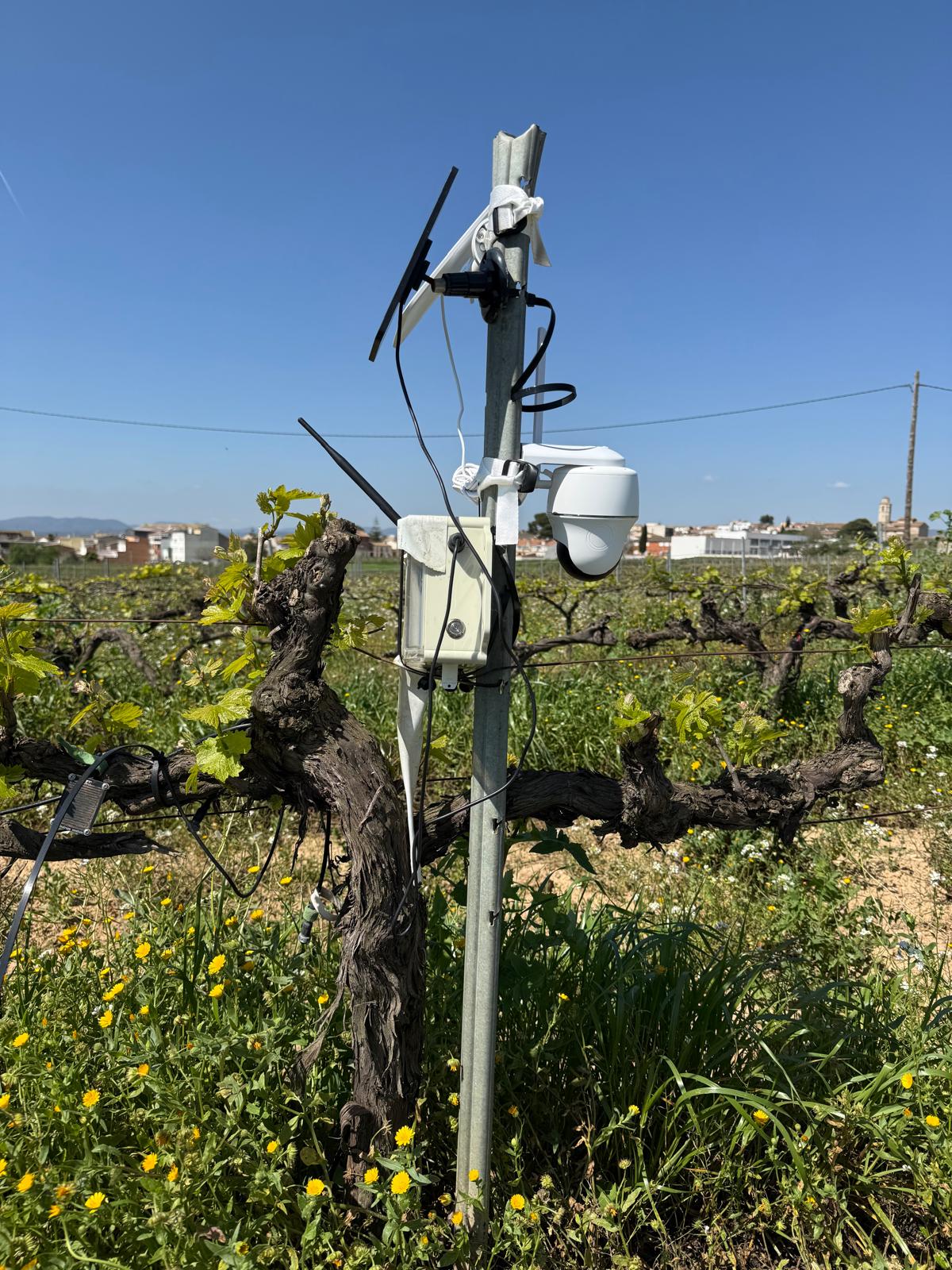
- A serious buyer needs the vintage log: field state, operation dates, harvest gates, chemistry, corrections, and final lot analysis.
7. Sensory perception can be biased before tasting
Sensory evaluation is not independent of context. Visual cues, prior words, and prior aromas can influence what a taster notices and how the taster names it.
In wine education and guided tasting, fruit cues such as figs, strawberries, cherries, or vanilla may be offered before tasting. This can help train vocabulary, but it can also prime the taster to search for those descriptors. The tasting note should therefore be interpreted as a sensory report under a given context, not as a chemical analysis.
The classic color-bias study by Morrot, Brochet, and Dubourdieu showed that visual information can change odor description. This supports a cautious interpretation of tasting notes, especially when cues are introduced before the wine is assessed.
8. Technological correction can change taste and aroma
Sensory similarity does not imply biological similarity. Two wines may receive similar sensory evaluations while differing in vineyard management, intervention intensity, soil health, microbial ecology, and vintage conditions.
Chemical additions and cellar corrections can change taste, smell, color, and mouthfeel. Acidity, alcohol, tannin, oak-derived volatiles, sugar, selected yeast aroma, and texture agents can alter what the taster reads as freshness, body, fruit character, or even variety.
The score then describes the adjusted sensory output. It does not by itself disclose the production history that made the wine taste that way.
9. What should be added to the score
Labels, trademarks, critic ratings, and medals have commercial and cultural value. They should not be treated as complete measures of wine quality, terroir expression, biological authenticity, or agricultural sustainability.
A more informative assessment combines sensory evaluation with chemical analysis, vineyard environmental data, microbial ecology, vintage conditions, and production practices. The aim is to construct quality from parameters that materially contribute to it, then personalize the final choice for taste rather than treating taste as the only evidence.